


Two names (and a pseudonym):
Vladimir Nikolov
Introduce yourself in a few words:
I am a paleontologist and paleoartist, working in the Department of Paleontology and Mineralogy of the National Museum of Natural History at the Bulgarian Academy of Sciences. I study the fossilized bone tissues of fossil vertebrates and actively participate in the study of dinosaur and other Mesozoic vertebrate deposits in Bulgaria. In addition to scientific work, I also create artistic reconstructions of ancient organisms, mostly dinosaurs.
What did you graduate from?
I have a high school art education - I graduated from the National High School for Stage and Screen Arts in Plovdiv (2008; professional education). I hold a Bachelor's degree in Geology (2012) and a Master's degree in Geology and Paleontology (2015) from the Faculty of Geology and Geography of Sofia University "St. Kliment Ohridski". I am currently a PhD student at the National Museum of Natural History at the Bulgarian Academy of Sciences, where I work as a paleontologist.
What is your professional experience so far?
My professional experience is rather modest, and despite being a published illustrator, I consider myself more of a semi-professional paleoartist. Since 2010, my works have appeared in scientific articles, textbooks, monographs, encyclopedias, magazines and museum halls, both in Bulgaria and abroad (Great Britain, USA, etc.). I received my first freelance commissions in 2012, but the serious projects I worked on started arriving in 2013. Due to the fact that after 2019, scientific work fills the main part of my daily life, lately I have been drawing mainly for personal pleasure and illustrating personal projects, mainly my scientific and popular science articles.
Tell us more about your work (style, technique, interests, way of working):
Artists working in the field of scientific illustration would easily find their way into the working process of a paleoartist, although the reconstruction of ancient organisms and the environment they inhabited has its own peculiarities. There is an opinion that for the most part reconstructions are the result of the artist's imagination, but this is not the case - in the best case, even the smallest details are based on scientific data or at least on reasonable assumptions that do not contradict the known facts about the world. First of all, it is required to read a fairly serious volume of scientific literature, and it is also necessary for the artist to have a certain amount of knowledge in a wide range of natural sciences – geology, zoology, animal behavior, botany, ecology, etc. It is a big plus if the paleoartist works with a good consultant. In my work, I have almost always worked alone, and before I sit down to draw, the first step is always to familiarize myself with the subject of the next work – anatomy, biology, behavior, habitat, etc., – i.e. to delve into scientific articles, monographs and textbooks. Only then does the drawing itself come.
Due to the fact that since its inception, paleoart has almost always played the role of illustration, which communicates new paleontological discoveries and hypotheses to the general public, realism is expectedly the dominant artistic style practiced by paleoartists. Although in the last decade there has been a trend towards stylistic and technical diversification of paleoart, I do not make an exception to the historical tradition – realism is my preferred style, i.e. the most realistic representation of living and non-living objects in the work, with a slight touch of romanticism.
I have always preferred traditional artistic techniques, having worked with pencil, ink or watercolor for a long time. In 2014, I discovered acrylic paints and since then this has been my preferred painting technique. Since 2018, I have also been making digital drawings and paintings, and my approach to digital drawing is the same as with traditional techniques. For this purpose, I use the most ordinary (prehistoric model) graphics tablet. I am definitely not a fan of using filters, photocompositing, etc., so I mainly rely on the standard brushes available in the software I work with.
It is difficult for me to describe in detail the way I work, but apart from collecting scientific information, my entire working process is generally “not done like this”. I have never had a separate creative space, I usually paint at night in unsuitable light, and I often use low-grade art materials. In addition to all this, I work quite slowly, and in most cases, completing a painting, depending on its size, takes me between 60 and 200 (sometimes more) working hours. However, as the years go by, the creative process becomes more and more enjoyable for me and I pay less and less attention to whether I am doing something “right” or not. What matters is the final result and being satisfied with the work done.
Exhibitions/participations/performances/awards:
I have 3 solo exhibitions: “Moments in Time. A Walk with Dinosaurs” (Karnobat, 2023), “Dinosaurs Up Close” (Sofia, 2023; Asenovgrad, 2024) and “Jurassic World: Dinosaurs Beyond Cinema” (Sofia, 2025). In 2018, two of my paintings were selected to participate in the international paleoart exhibition “Picturing the Past”, which took place at the New Mexico Museum of Natural History and Science, USA, during the annual conference of the Society of Vertebrate Paleontology. Last but not least, I participated in the last two editions of the “Biennale of Illustration” (Sofia, 2022, 2024), which I consider a personal achievement, due to the nature and national prestige of these exhibitions.
Illustrated works:
I am an illustrator of the children's book "Excavate! Dinosaurs: Paper Toy Palaeontology" (Ivy Press, 2014), which was translated into several languages and published in over 10 countries. I am the author and illustrator of the popular science book "Song of the Titans: A Story of Dinosaurs" (NPM-BAS, 2023), which tells the story of the third expedition to the site of dinosaurs and other fossil vertebrates near the town of Tran. In 2019, I drew the cover of the Bulgarian edition of the popular science bestseller "Rise and Fall of the Dinosaurs" by Prof. Steve Brusati (Siela, 2019). In addition to my work on these printed publications, I am the author of the paleoillustrations in (currently) the Municipal Cultural Institute Scientific and Educational Children's Center "Muzeiko" (2014, 2020). Some of my works have been published in various scientific articles, monographs and encyclopedias, including in foreign language editions of National Geographic and Egmont.
Who is your favorite illustrator?
It is difficult for me to answer this question, firstly, because my interests are quite narrowly specialized, and secondly, because I admire the work of an awful lot of paleoartists. However, if I had to choose a few, I would stop at the names of authors from my childhood, including Douglas Henderson, Eli Kish, John Gerch, James Gurney, John Sibik, Michael Skrepnik and Raoul Martin. Of the younger generations of paleoartists, I am inspired by the work of Andrei Atuchin, Beth Zaiken, John Conway, Emiliano Trocco, Julius Chutney, Joshua Knuppe, Henry Sharp and many, many others.
What is your favorite illustrated book?
I can't decide on a title.
What book do you dream of illustrating?
I dream of illustrating my next book (and the one after that, and the one after that). I think my biggest dream is that one day, when I have collected enough material, I will publish an art album with my works – a book with drawings of dinosaurs and other ancient animals, which is what I wanted to have as a child.
Facebook/Instagram/other: https://www.deviantart.com/t-pekc/gallery
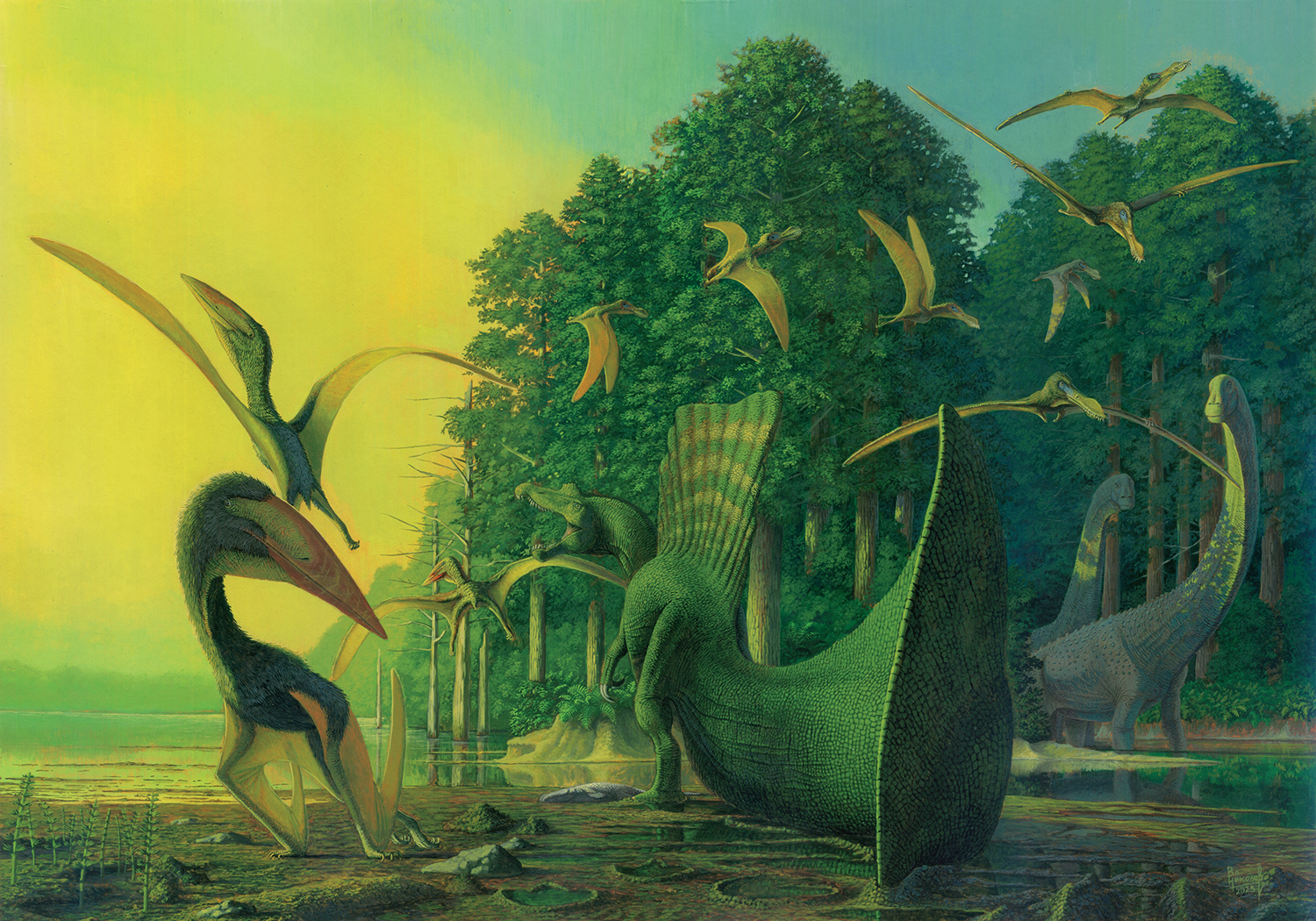
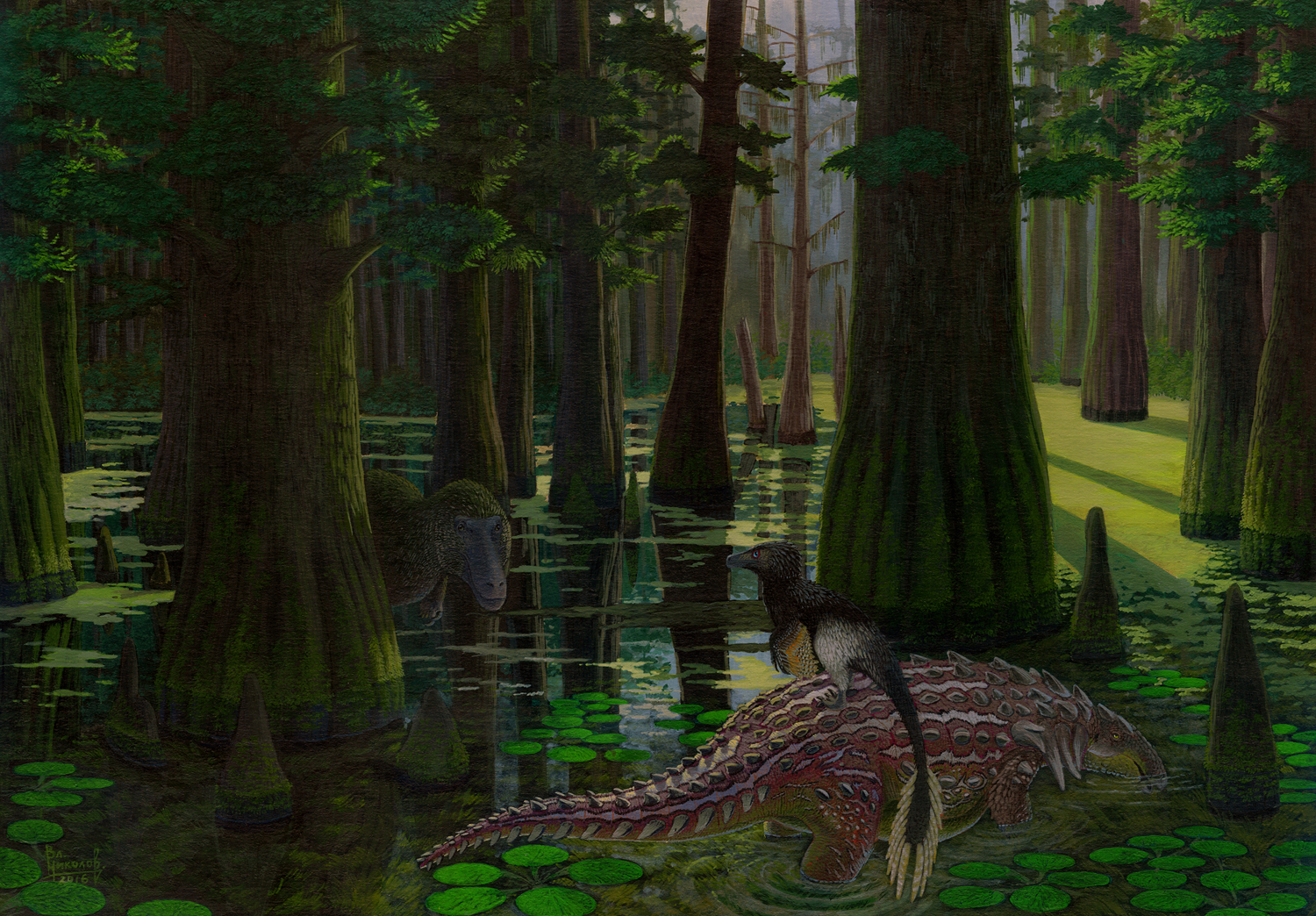
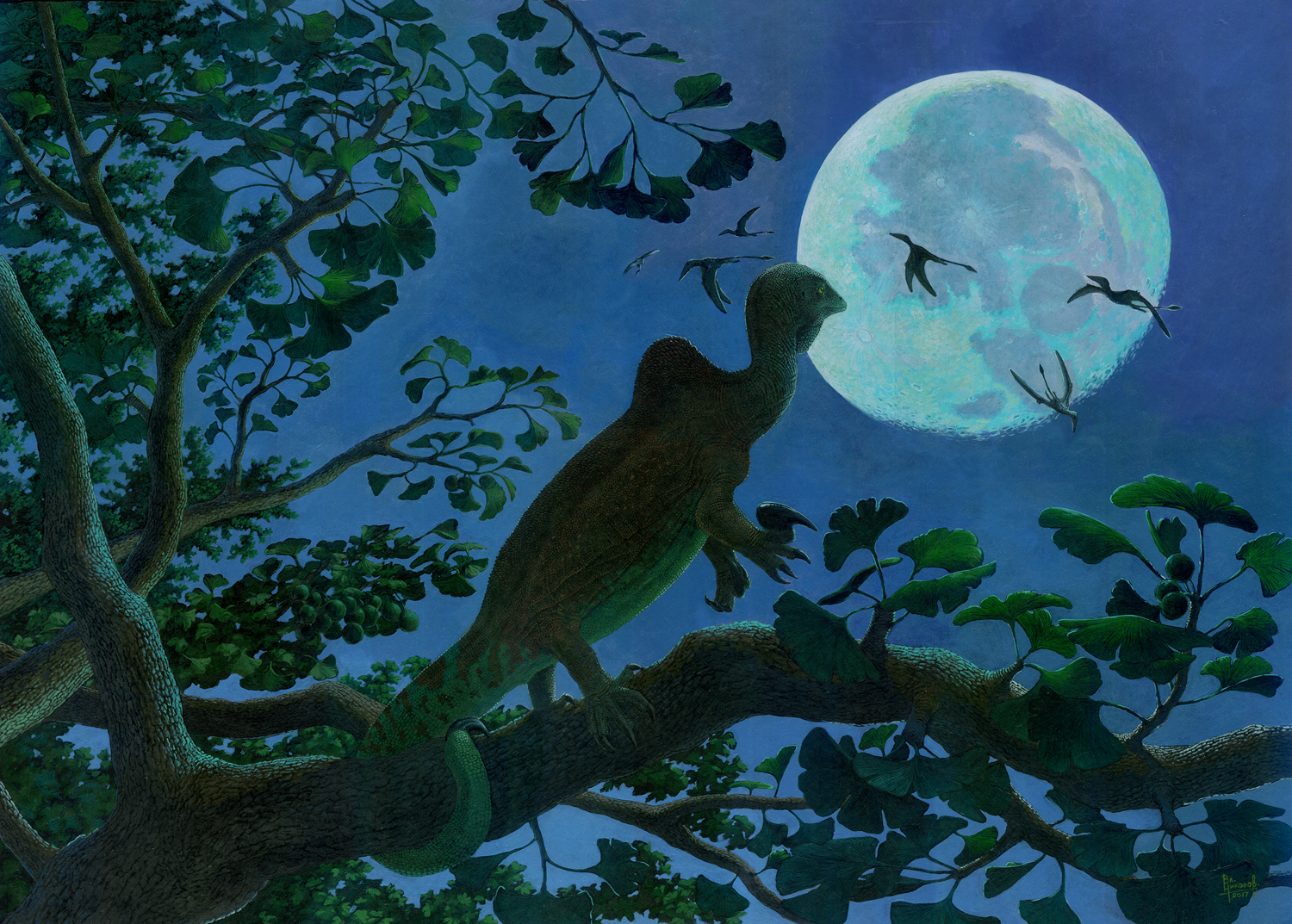
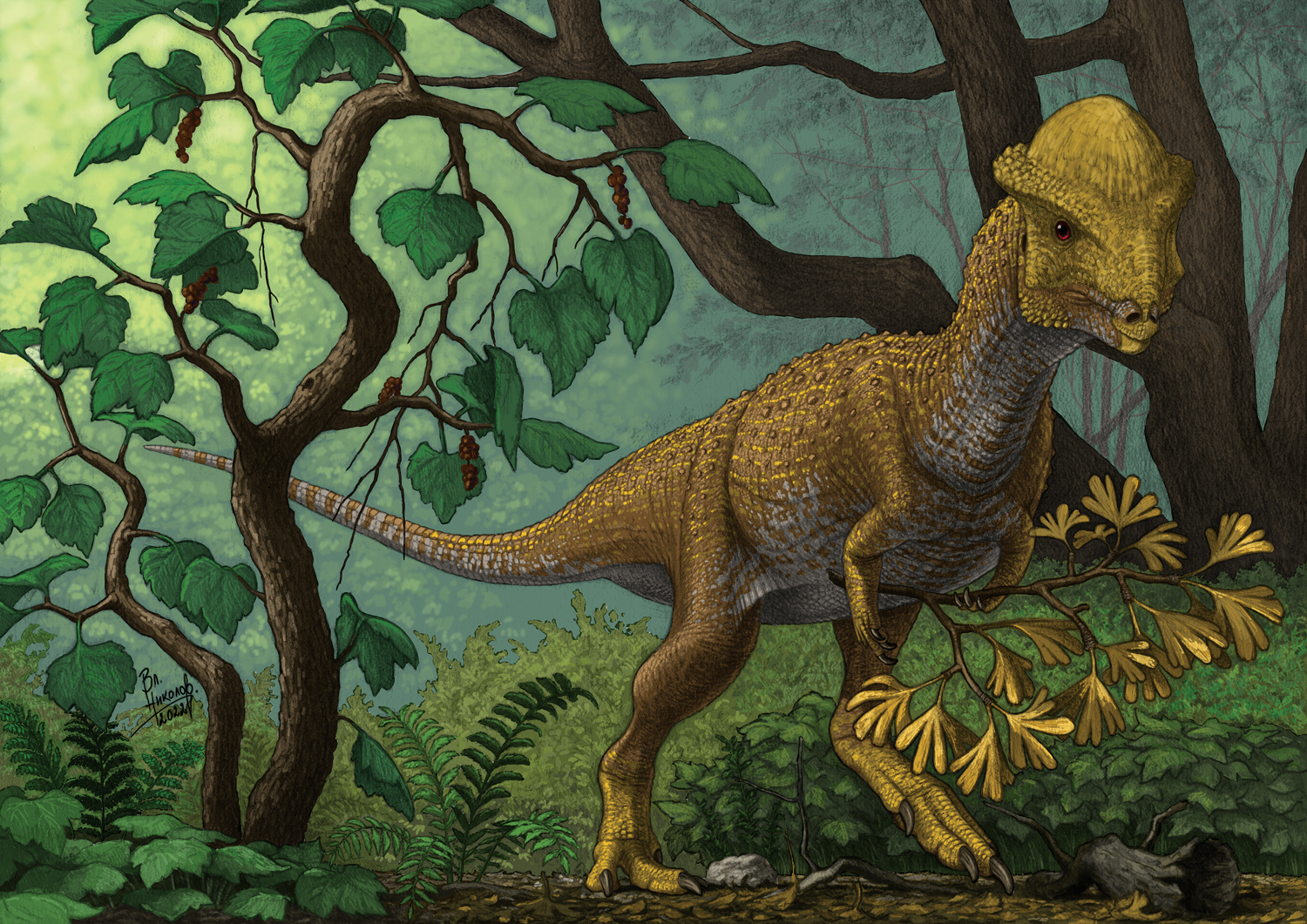
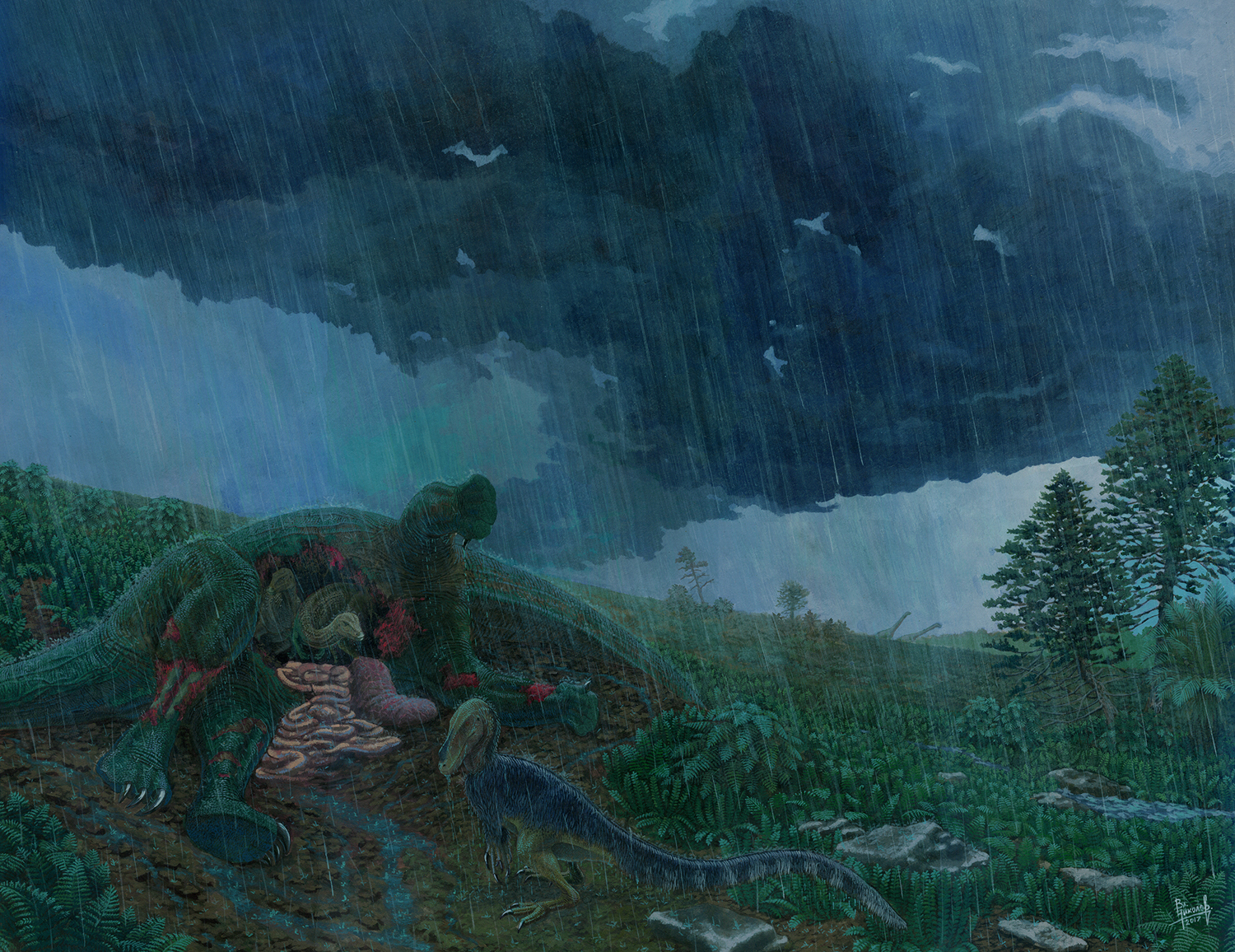
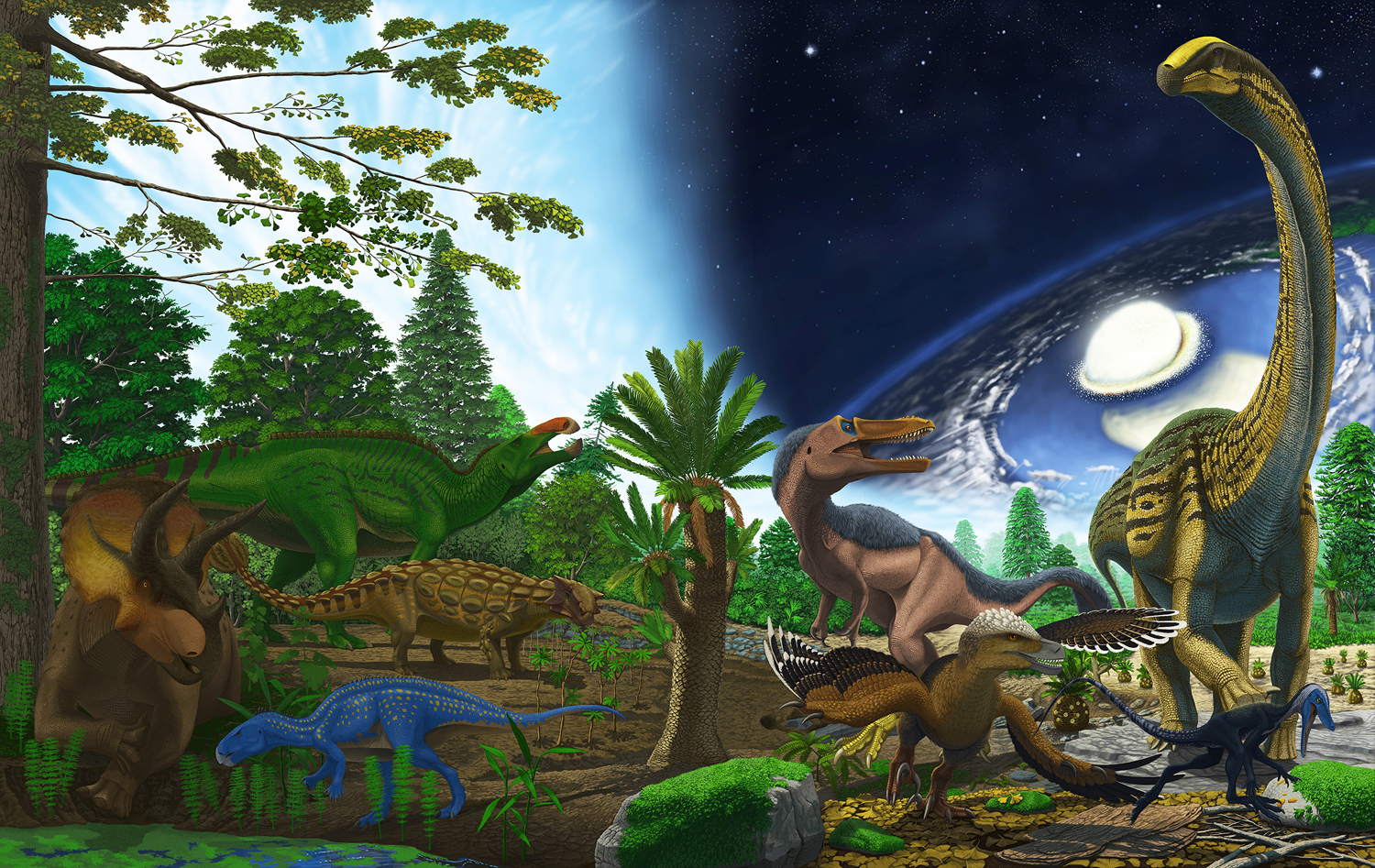
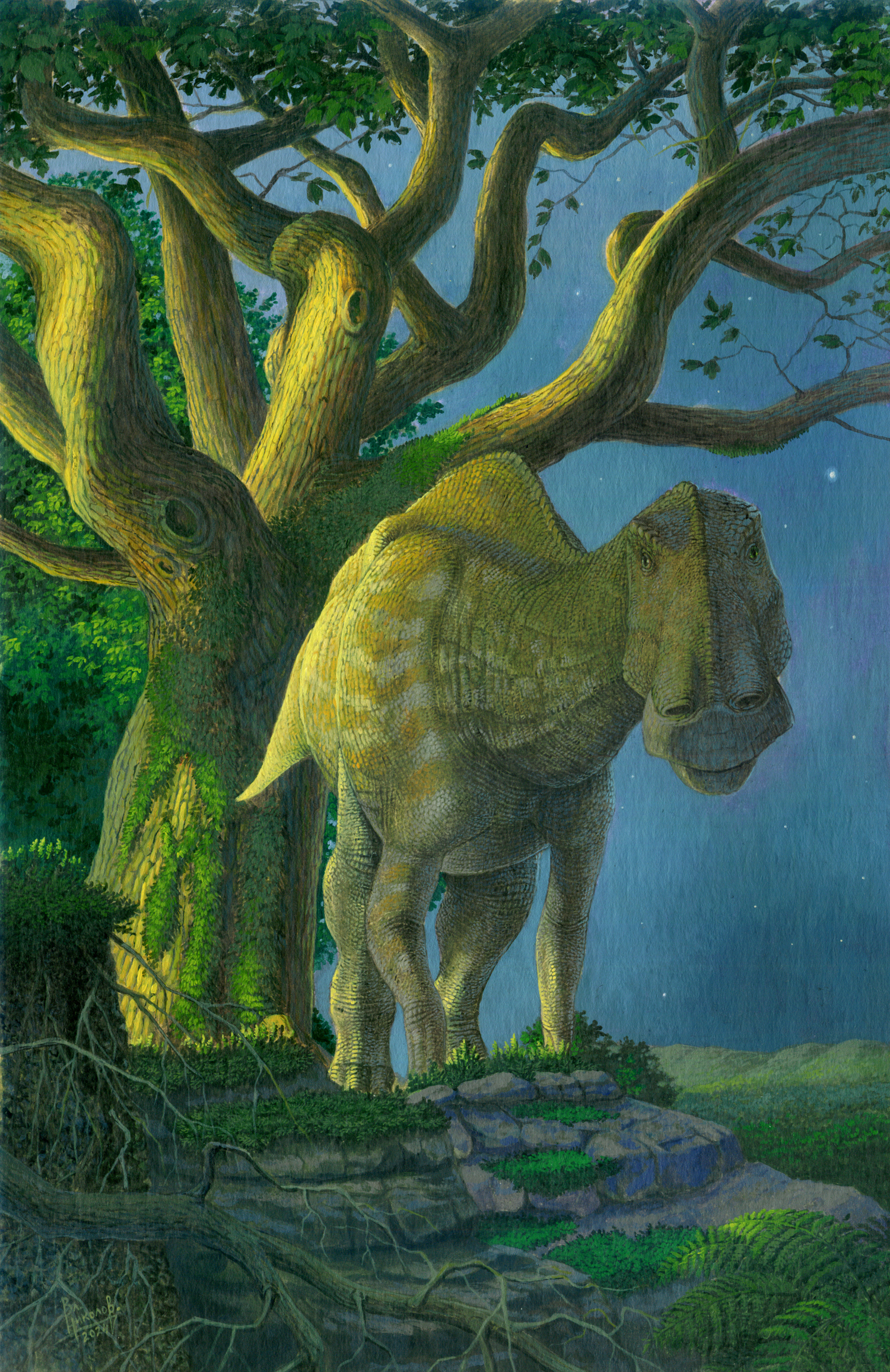
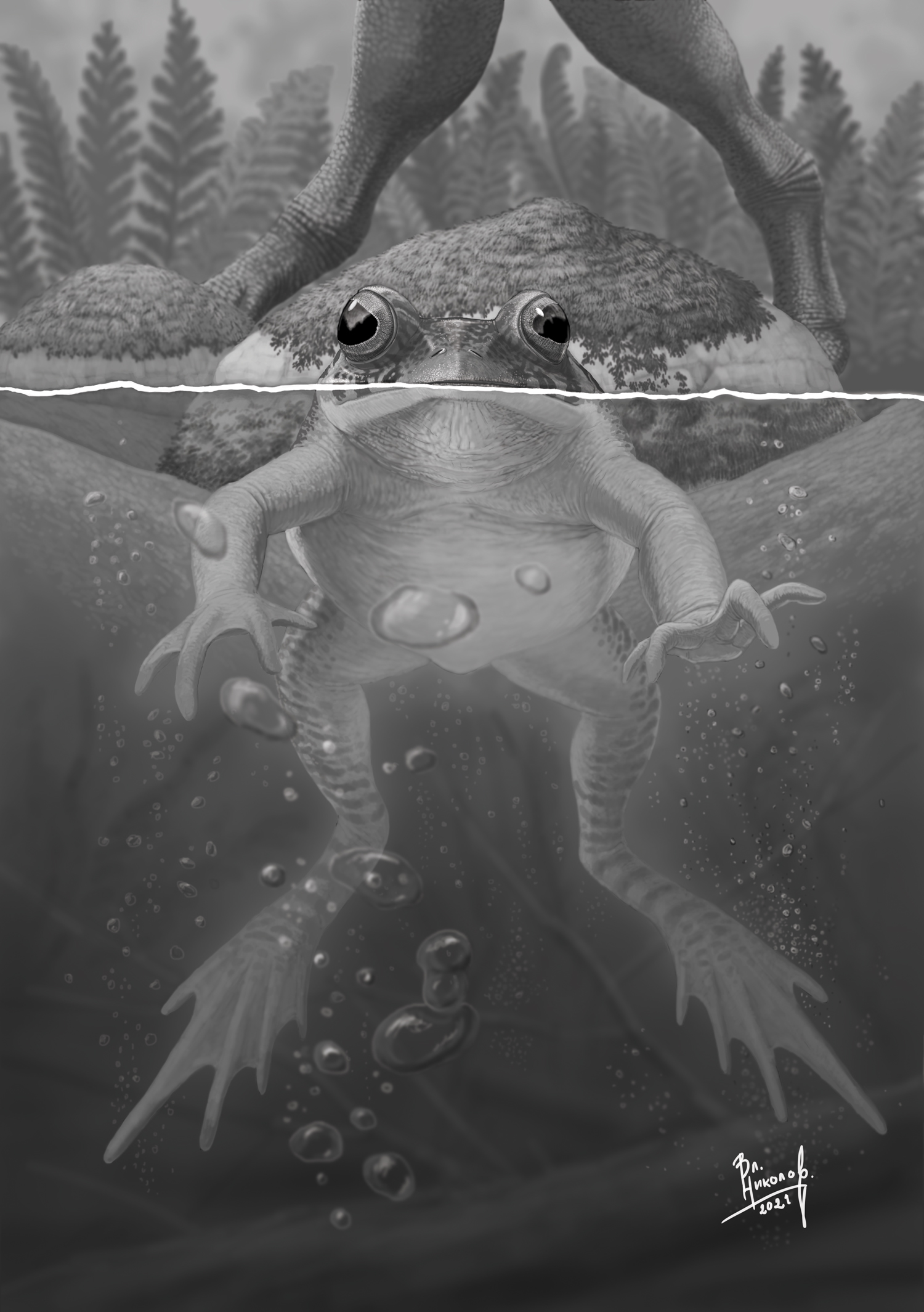
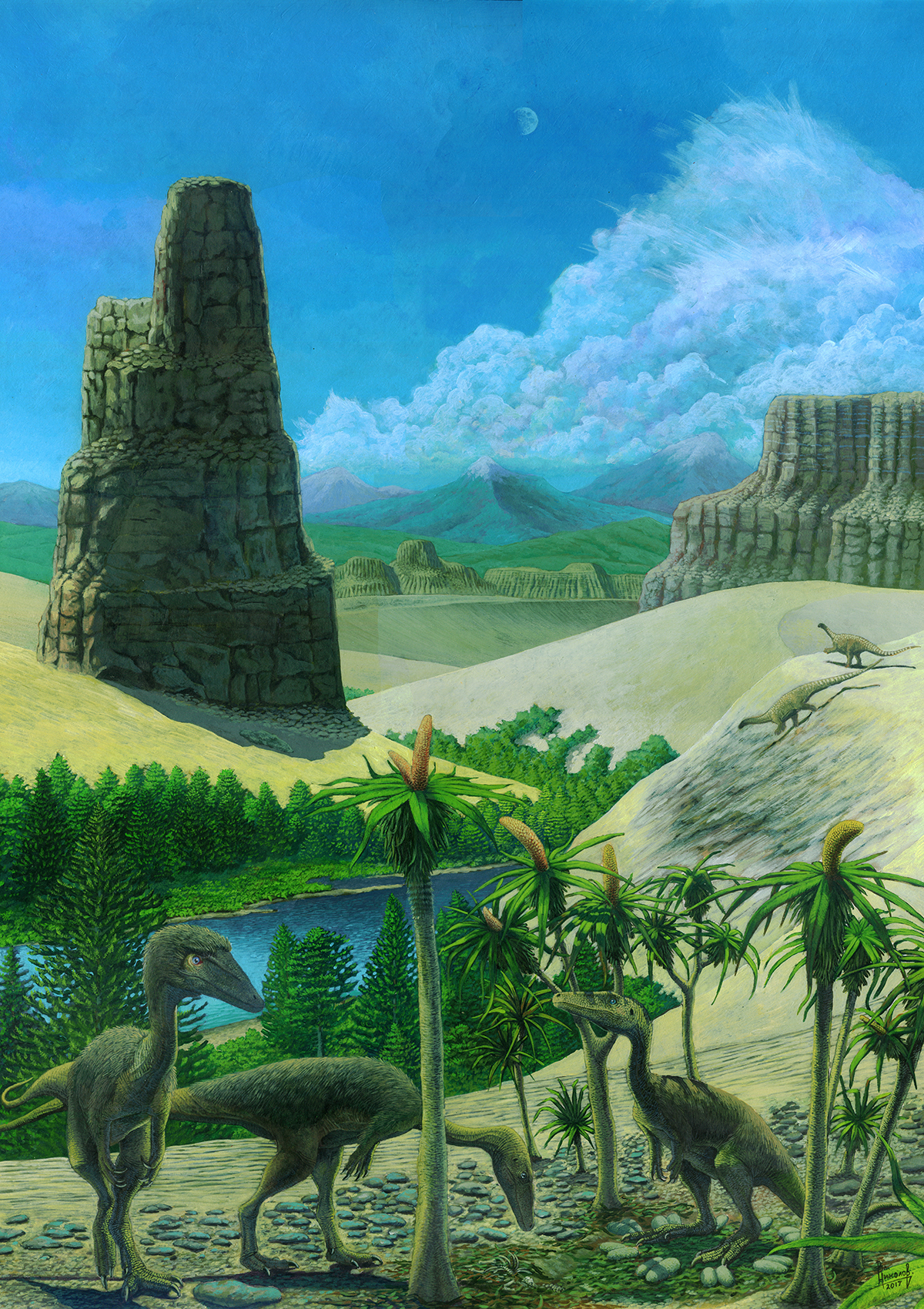
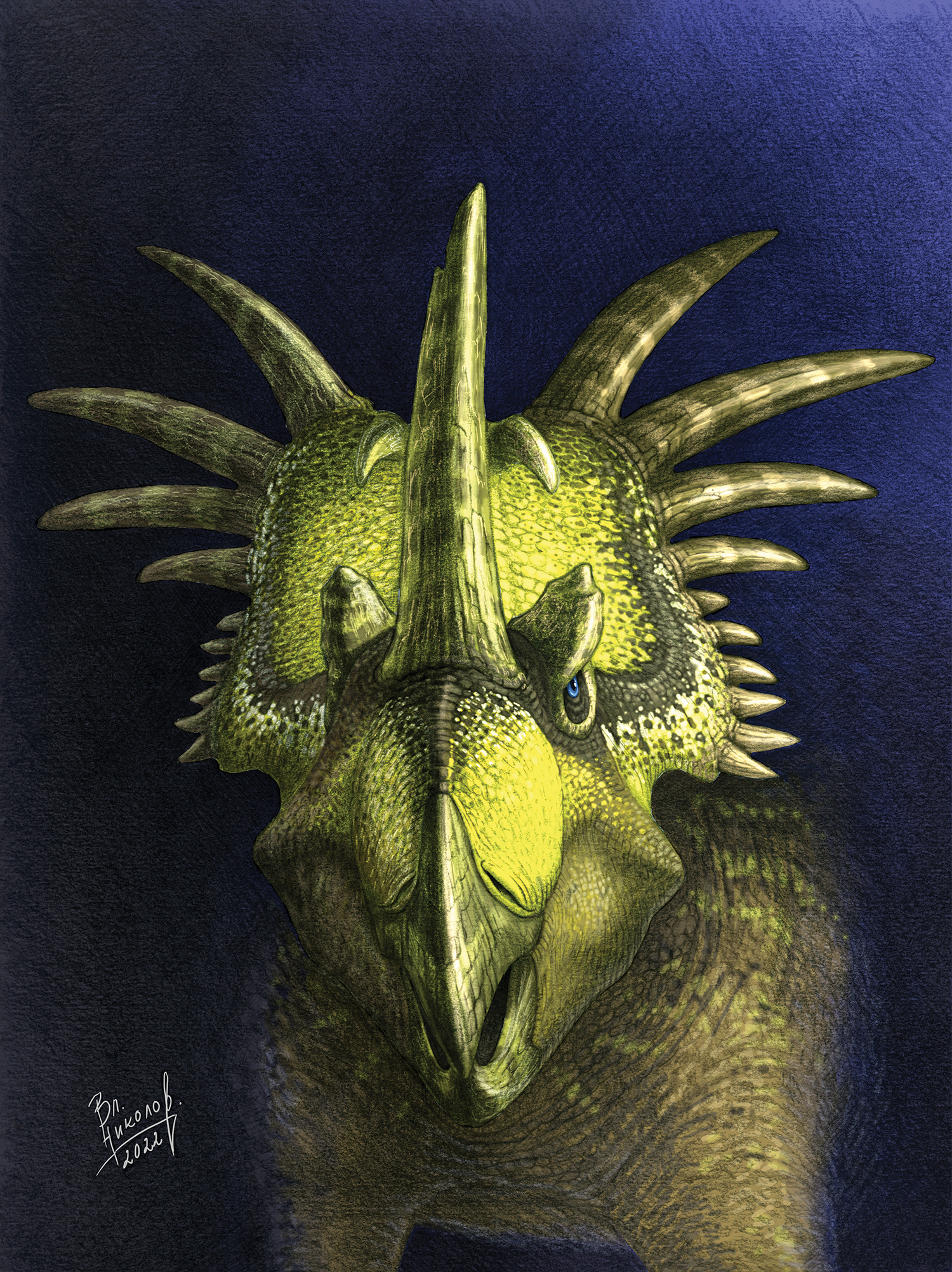
And here are some of Vladimir's works...
Add comment