

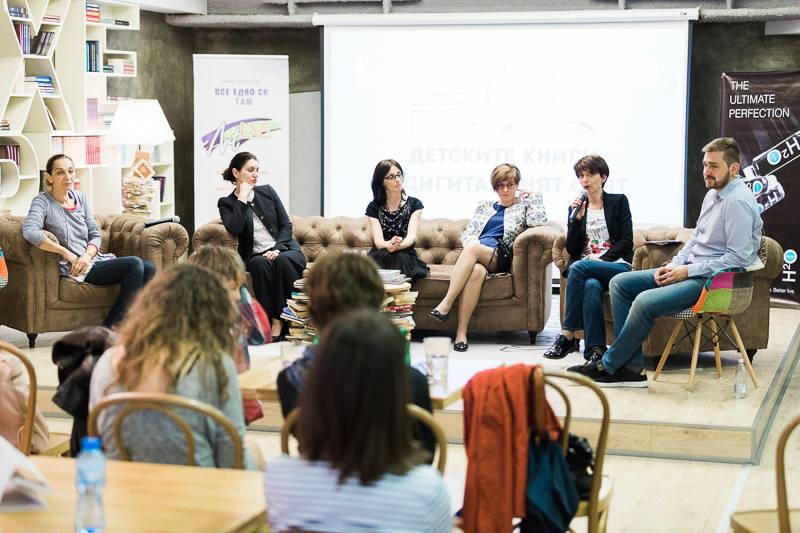
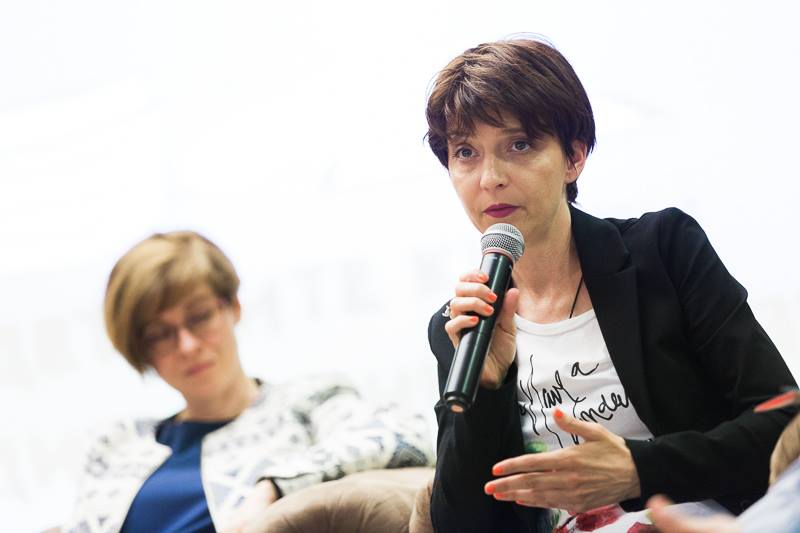
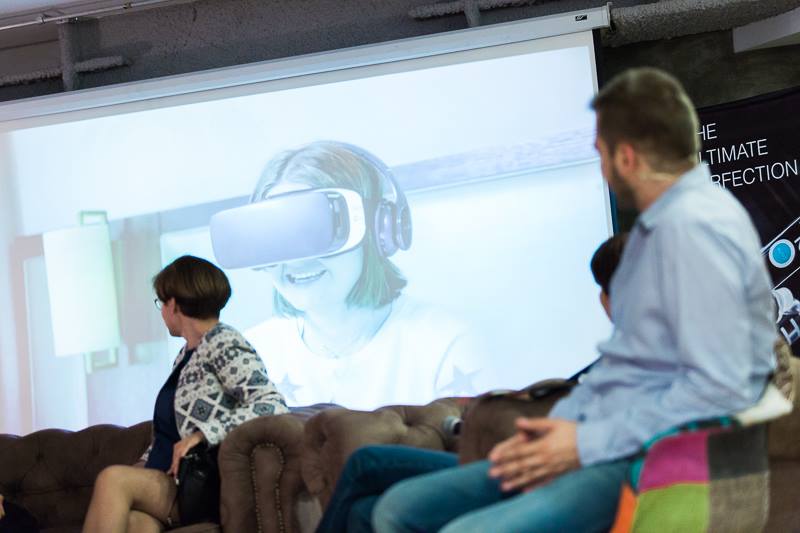
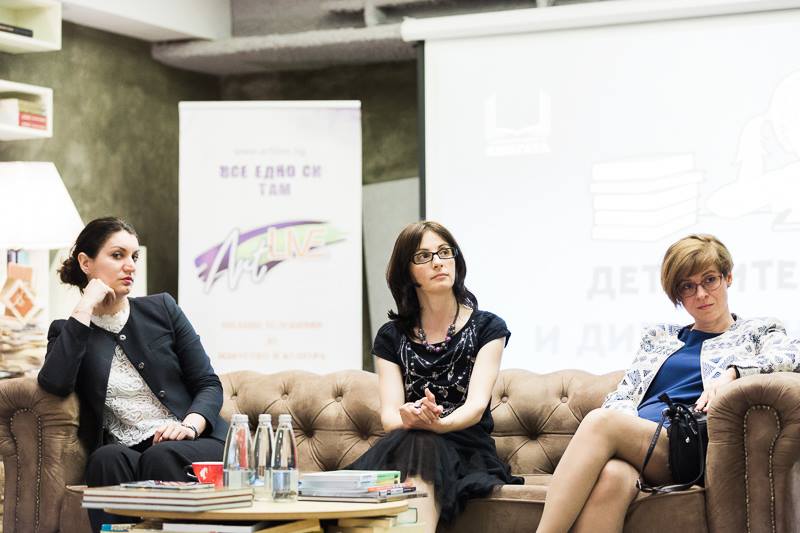
The National Palace of Culture stood behind digital education. This happened during the forum “Children's Books and the Digital World” – part of the series of discussions organized by the National Book Center in the Year of the Children's Book at the National Palace of Culture.
“E-books are not a threat to book publications. They are simply another “window to the world”. We are in a transitional period in the way we perceive information, and this transition opens up new horizons,” said Miroslav Borshosh, executive director of the National Palace of Culture, on the occasion of the discussion.
The participants in the discussion outlined three aspects of development in terms of book publishing and education – digitalization of books; bringing familiar images to paper (games and applications); better information through new technologies. Thanks to all this, children very quickly find the images or information that interest them and themselves suggest what they want to see in a book.
Research shows that modern children are much more likely to reach for an e-book, not a paper copy. But once they have acquired the ability to read, they read on any media. Ivelina Atanasova from Digital Kidz works with “digital children” who do not know the world before technology and cannot imagine it without the Internet and innovative devices. What she notices is that technology is the tool with which children speak one language.
Milena Stefanova from Softpress Publishing House noted how, with appropriate software, both of her children learned to recognize letters between the ages of 2 and 3. “This directed them much earlier to books and awakened their interest in trying to read. This is how they developed many other skills, such as logic and concentration.”
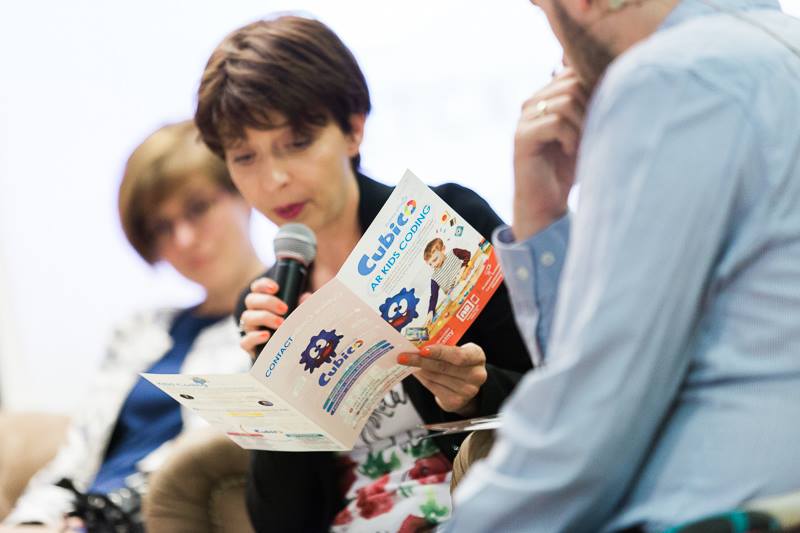
Mariana Zlatareva from Kibea Publishing House told about an innovative application that anyone can download for free. When you place a phone or tablet on the relevant active page, a three-dimensional image or animation appears. The application was received extremely well not only in Bulgaria at the Spring Book Fair, but also at the fairs in Bologna and Leipzig.
“There are already European countries in which the tablet has been introduced as a teaching tool. Children receive all the educational material they need on an electronic medium. This is a step in the right direction,” shared Mihaela Petrova, head of the National Book Center – NDK, in another discussion.
Source: NBC; Photos: Orlin Ognyanov (NBC)

Add comment